 Illustration by Rosie Barker @rosiebarkwr
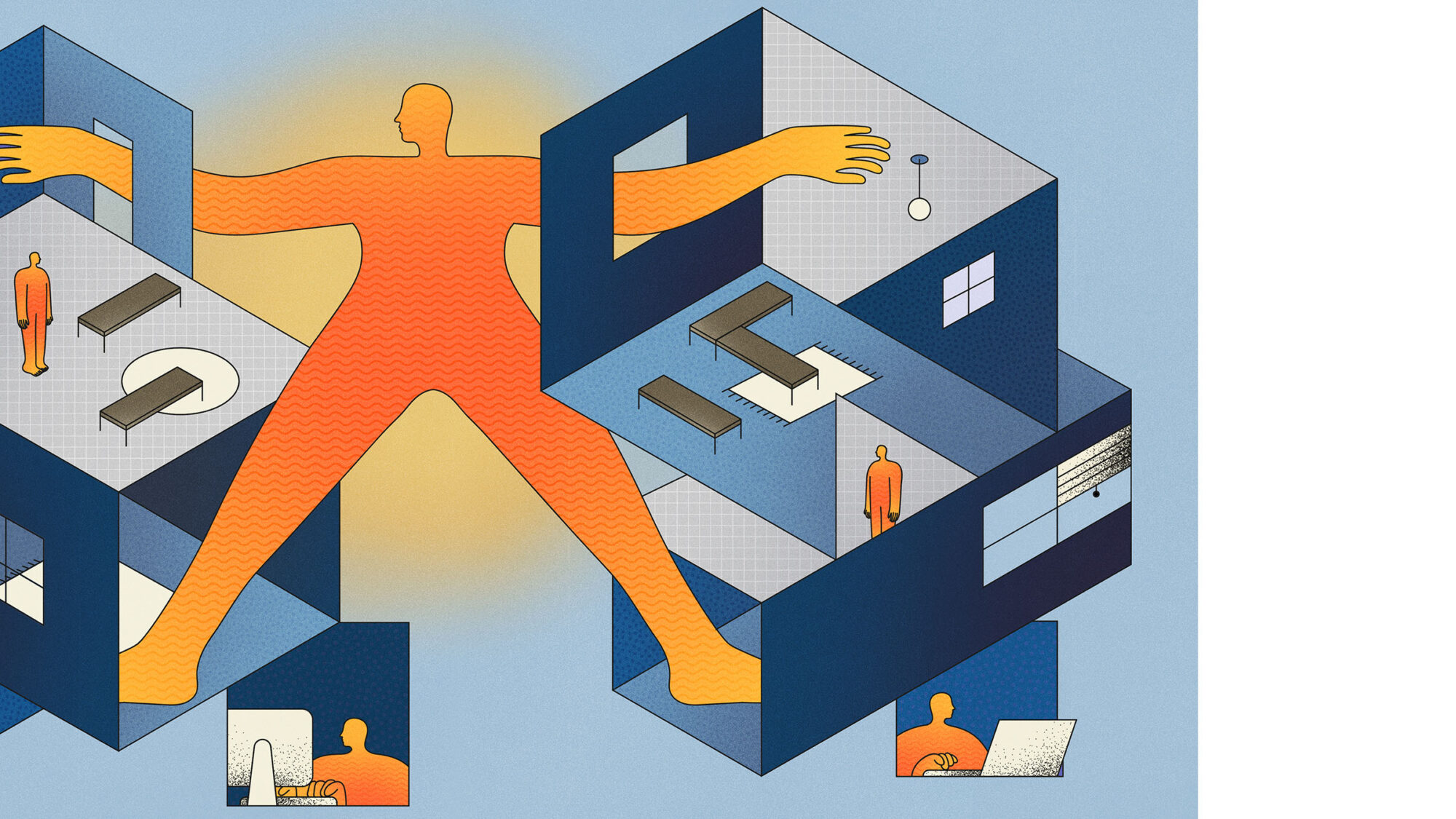
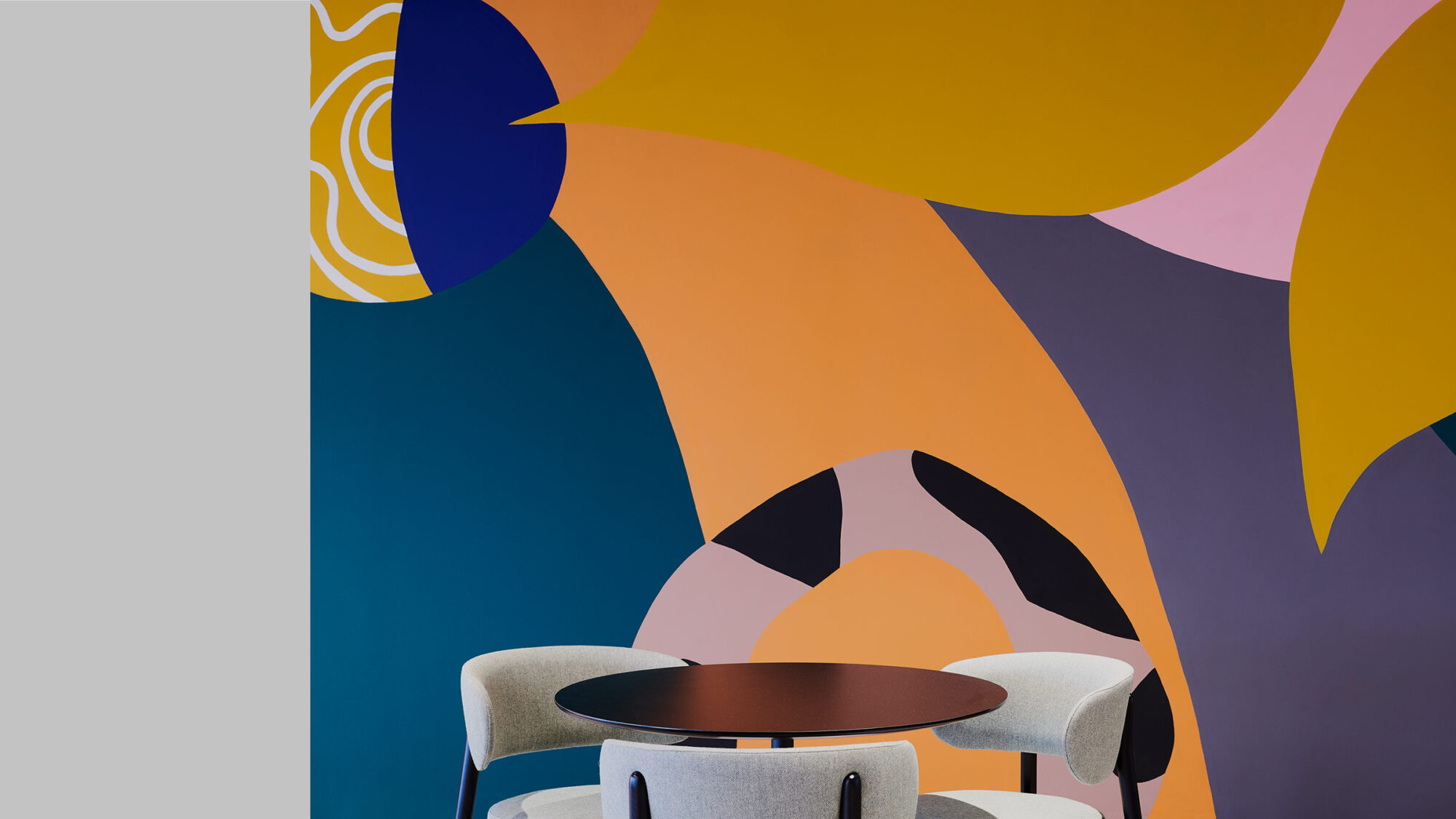
 Traditionally, architectural practice has been dominated by the eye/sight (Spence, 2020). However, we receive information from all of our senses – sight, smell, touch, taste and sound – as well as proprioception (balance) and vestibular (body awareness). Therefore, should multi-sensory design be at the forefront of how create spaces for people to work in?
Sensory design is the purposeful design of spaces and places to impact individuals sensory experiences. All of our senses play a huge part on our thoughts, behaviours, emotions, memory, performance and wellbeing. For example, a person next to you taking a loud phone call can cause distraction or frustration. Equally, the smell of coffee can trigger feelings of energy and alertness.
While the impact of each of the senses can be analysed in isolation, how the senses interact with one another plays a vital role in determining our response to the environment. One example of this was reported by researchers who manipulated playing music into a supermarket to analyse buying habits (North, et al., 1997, 1999). When French music was played, results showed the majority of the wine purchased was French. However, reversing to a majority of German wines being sold when the shop played German music.
A sensory experience is triggered by the activation of our senses. The experience can create positive or negative stimulation, depending on the sensory association. Similarly, a space that considers sensory design can set off feelings such as cosiness, warmth, cleanness, comfort, and surprise. To understand more about how and why this is, we look into sensory play for children.
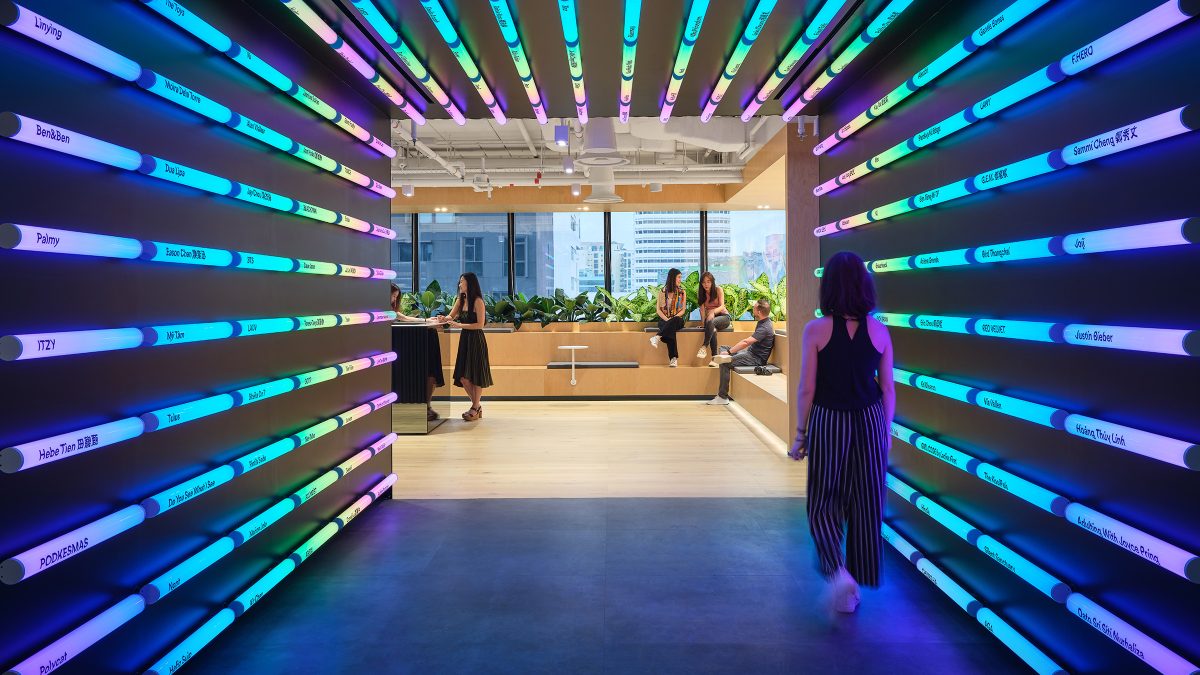
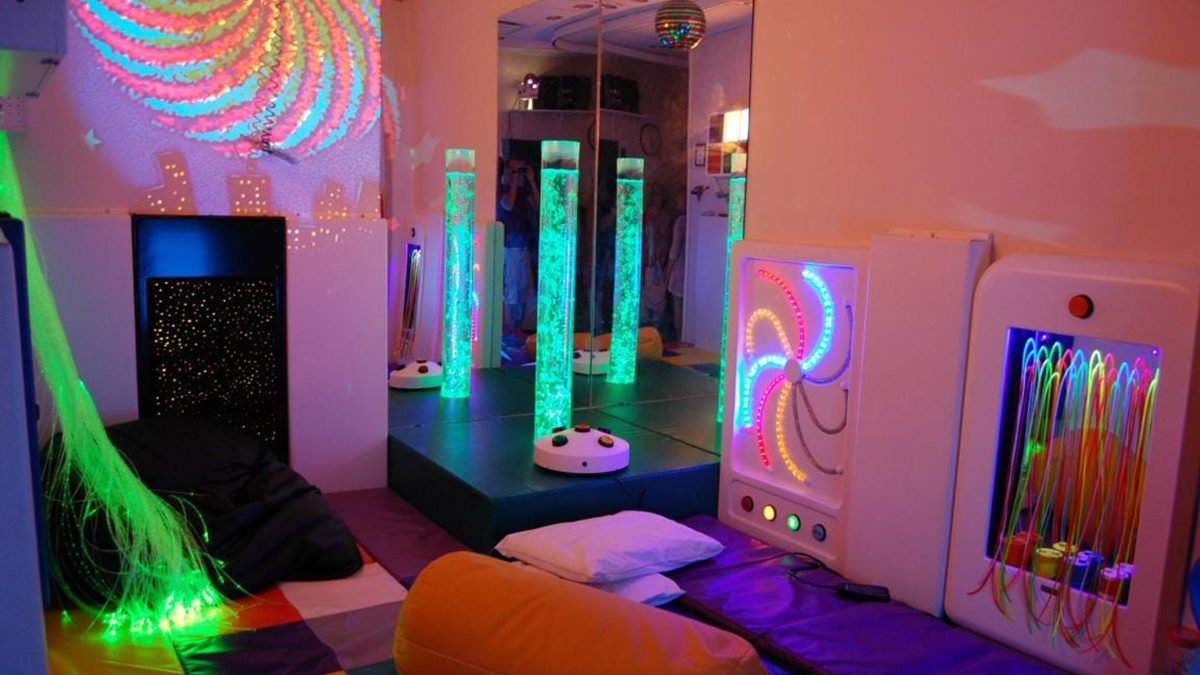 A typical sensory play area, including bubble tubes, vibrating devices and aroma diffusers
 Babies begin to learn through their sensory systems. They take in information through their sensory organs, i.e. their eyes and ears. The mind and the senses work together to create a meaningful world. The best way to develop sensory processing is for parents to stimulate a baby’s senses in order to learn.
Sensory design for children provide environments where infants can experience special sound and visual effects, tactile experiences, vibration, use of aromas and music in many variations. The activities in a sensory room focus on particular senses such as feel, sight, sound and smell, as well as the more abstract senses of wellbeing, space, time and togetherness. The result is a space in which children can completely relax and interact with and control the elements, all creating a positive inner working model for them.
For a small child, discussion and verbal learning have little educative power without actual experience. Learning rather happens through all the sensory channels. Children must live through, explore, and try things out to attach meaning to them.
Hendrick (1990:6)Sensory development in early childhood is important for overall health and wellbeing. It forms the foundation of a child’s learning and perception. Some benefits of sensory play for children are:
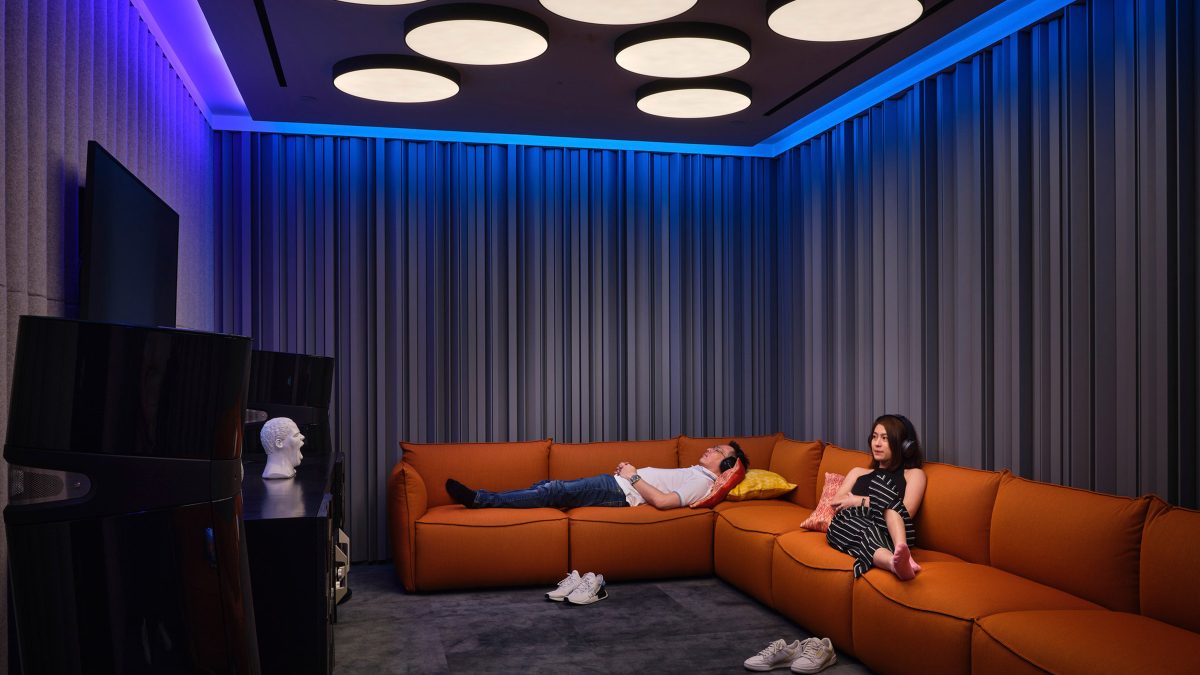 A space to recharge with reduced stimulus
 When creating multi-sensory spaces, the first thing to consider is the always the why. Why are we creating these spaces and what is the intended experience we desire for our end-users?
For children’s sensory spaces, the why is usually to enhance the infants’ neurological development. The spaces provide contrasting lighting, unusual materials to touch and explore, and opportunities to create sound through movement.
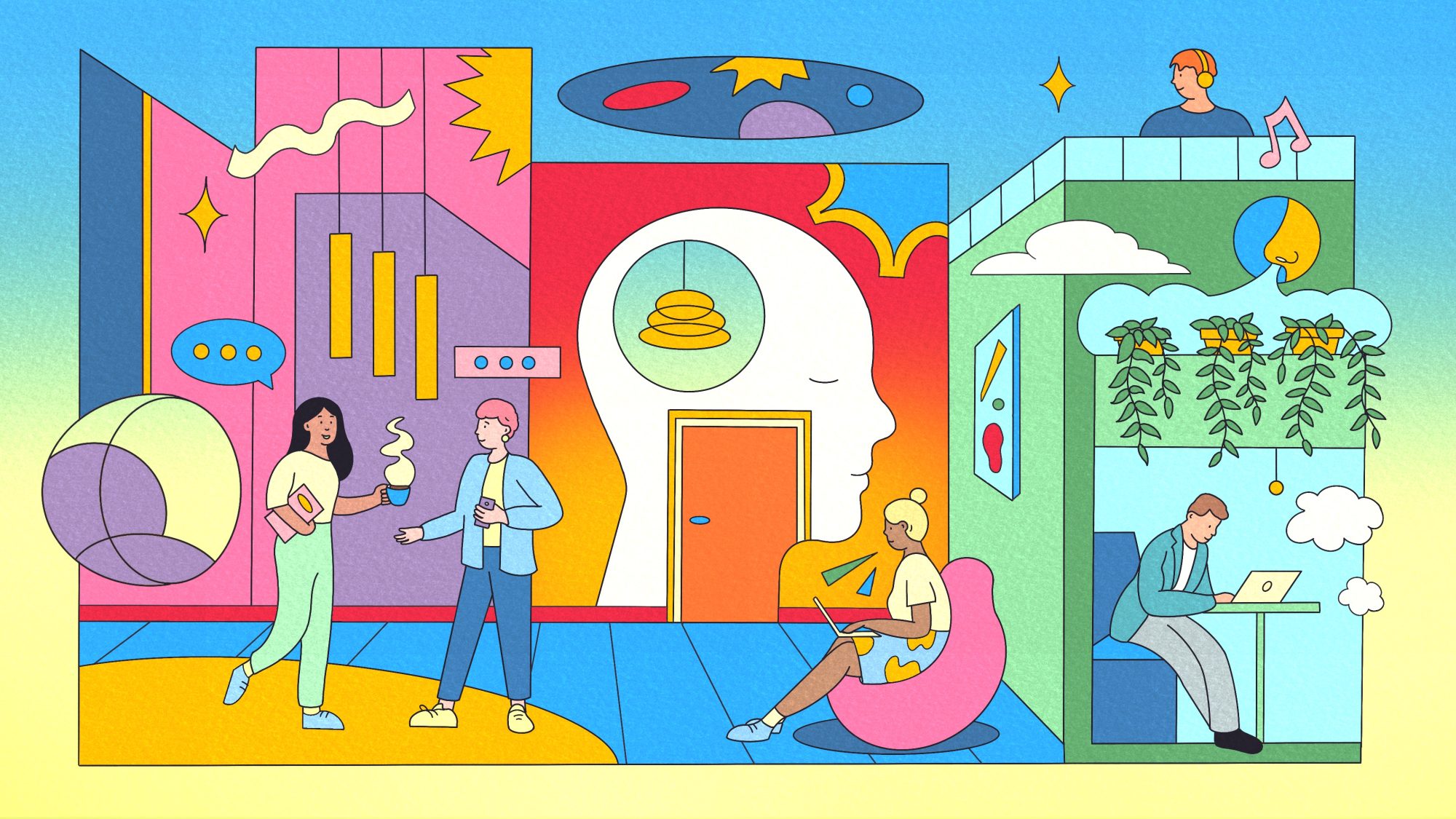
For office design, the why could be to foster employees creativity, and provide an outlet for communication and social interaction. Alternatively, the why could be to reduce stress, increase zen, and create a safe space that contrasts from other areas that can be perceived as overly-stimulating for some individuals.
What’s more, are we creating a space for those that are sensory-seeking or sensory defensive? Sensory-seeking individuals (hyposensitive) are often under-stimulated and will seek out experiences that offer play, contrast and movement. Sensory defensive individuals (hypersensitive) experience sensory overload. They are very sensitive to certain stimuli, and seek out spaces that are neutral, controlled and ordered.
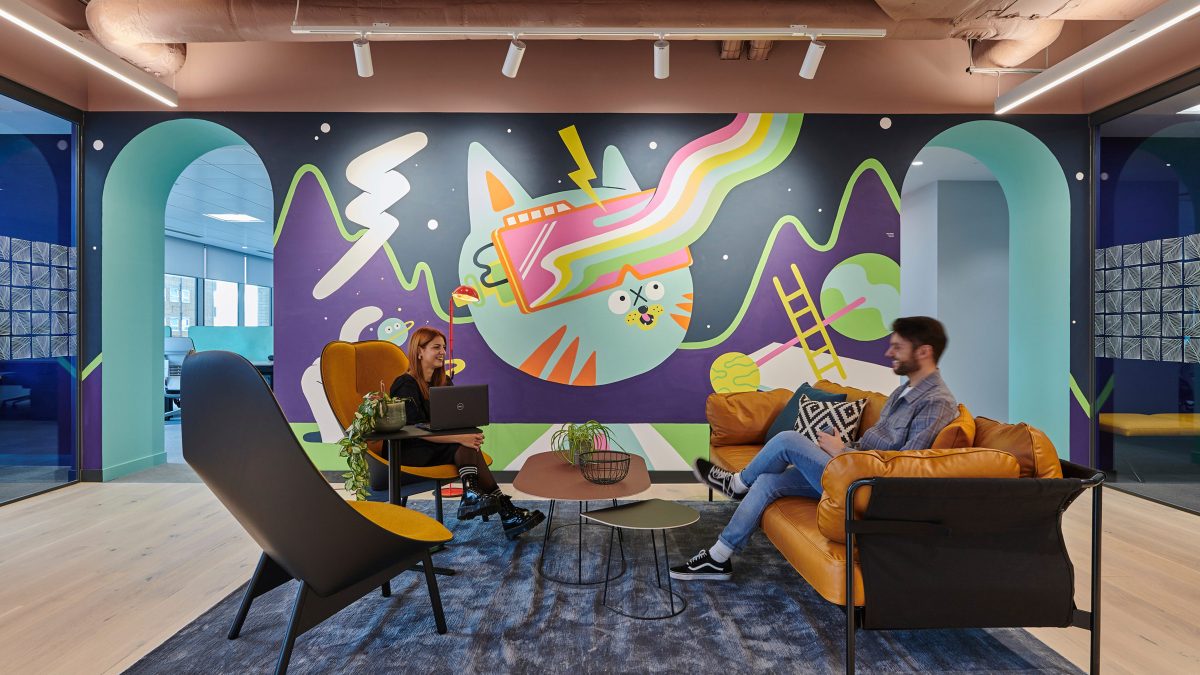 Design supportive of hyposensitivity
 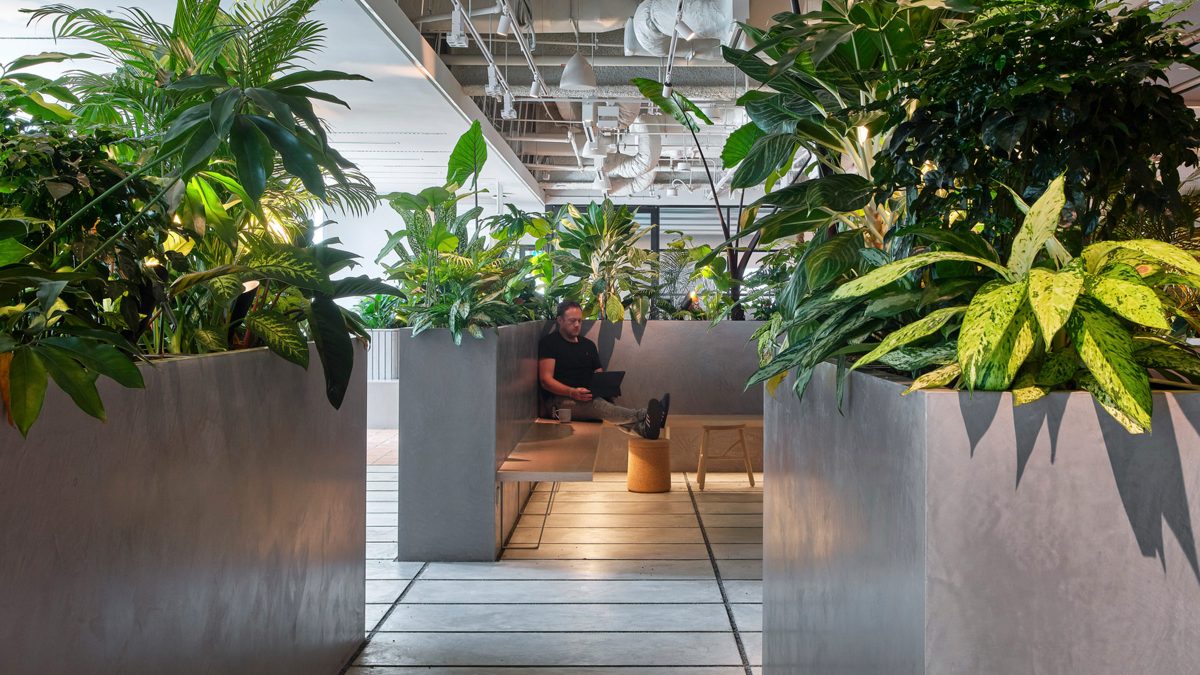 Design supportive of hypersensitivity
 Whilst many perceive sensory play as being crucial for children’s development, it is also beneficial for people of all ages. Designing for the senses supports a number of different social, cognitive and emotional processing, particularly within the workplace.
Some of the main benefits for considering sensory design are:
By considering our sensory experiences within design, we are also considering how to create spaces that are more inclusive to all. Research links sensory development and neurodiversity in that individuals with autism, ADHD, and beyond, often have heightened or lessened sensory experiences.
Workplace Strategy
Senior Associate, Workplace Strategy and Transformation